Site Power Distribution & Control Panels
The panel is finished when the last part arrives
A switchboard build does not stall on design. It stalls on one terminal range, one power supply, one relay module that is three weeks out. Weidmüller terminals, PRO power supplies, relays and marking are held locally and specified as one kit, so the board leaves the workshop on the date you promised.
Where Panel Builds Actually Lose Time
Three points in the build where a single missing line item costs a week.
One Schedule, Not Five Orders
Terminals, power supplies, relays, surge protection and marking specified together against the single-line diagram, so the build waits on one lead time instead of five.
Standardise the Rail
A consistent terminal family and connection type across every board means faster assembly, interchangeable spares and a wiring standard the next builder can follow.
Mark It Before It Ships
Terminal, conductor and device marking produced from the same schedule the board was built from, so what is printed matches what is drawn.
What Panel Builders Get Out of It
Predictable build time, and boards that are still serviceable in ten years.
Boards Leave on the Promised Date
Local stock on the high-volume lines means the build is not held hostage by one back-ordered terminal.
One Rail Standard Across Site
The same terminal and relay families in every board cuts spares holdings and makes any fitter familiar with any panel.
Faster Fault-Finding in Service
Consistent marking, test-disconnect terminals and pluggable relays turn a fault hunt into a plug swap.
Fewer Nuisance Power Failures
Correctly sized PRO power supplies with redundancy and buffering keep control voltage up through dips and inrush.
What Goes in the Board, Layer by Layer
Specify it as one schedule rather than five purchase orders and the lead time collapses to the longest single item.
Send the single-line diagram and terminal schedule and we will price the board as a kit, including marking, tooling and spares.
Two Decisions That Set the Build Time
How the terminals connect, and how much of the board is standardised before it is drawn.
PUSH IN or Tension Clamp
The connection type decides assembly hours more than any other single choice on the rail. Both are maintenance-free, they suit different builds.
Design the Second Board While Building the First
Most sites build the same three or four board types repeatedly. Treating them as products rather than one-offs removes the redesign every time.
Weidmüller, terminals, power supplies and everything between the rails
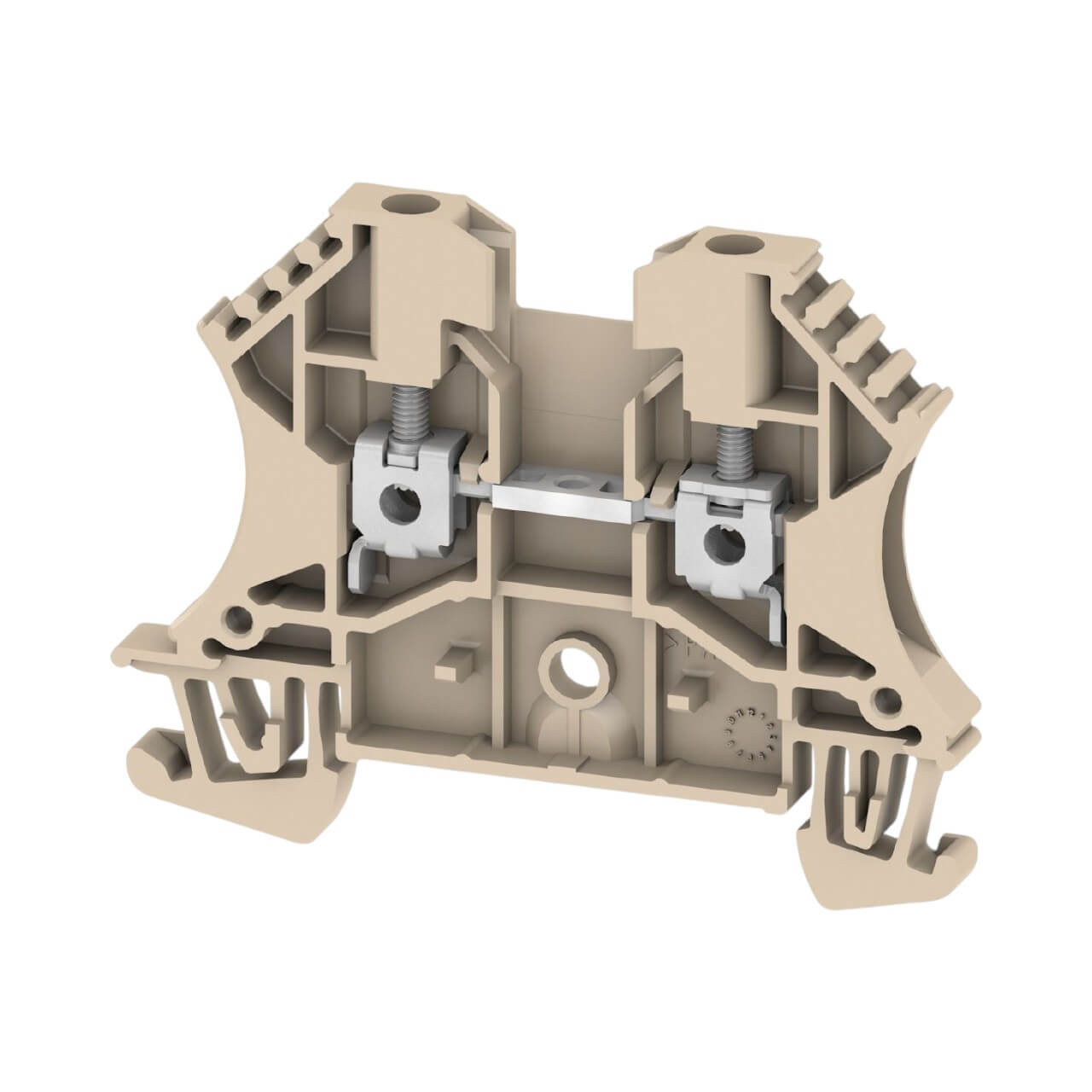
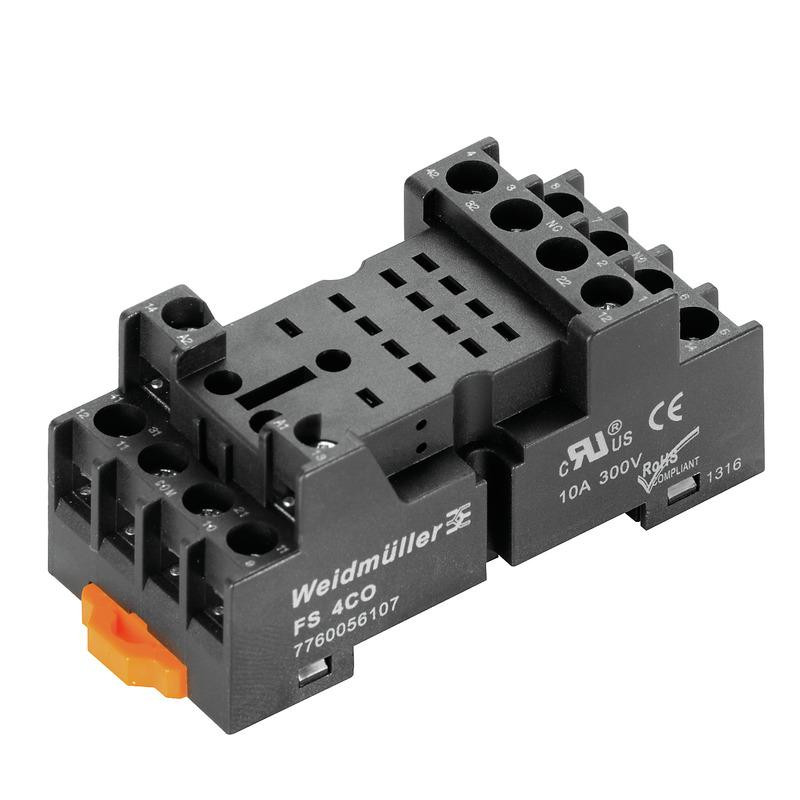
Weidmüller covers the whole inside of the board from one supplier: A-Series and W-Series terminal blocks with PUSH IN or tension clamp, PROtop and PROmax power supplies with redundancy and buffering, TERMSERIES relays and interfaces, surge protection, marking systems and the tooling to install them. One brand across the rail means one schedule, one lead time and consistent spares.
Where This Application Matters Most
Every site with a switchroom, a field kiosk or a machine that needs its own board.
Products and Brands Behind This Application
Weidmüller across the rail, with the enclosure, signalling and thermal management that go around it.

Send Us the Board Schedule
Terminal schedule, single-line diagram or just a photo of the old board. We will come back with the kit, what is on the shelf now and what needs ordering.